Writers Helping Writers® Descriptive Thesaurus Guides
Ever struggle to find the right words? Do you feel like your characters
or scenes are missing that special something? If so, you aren't alone.
Writing is hard work, and sometimes we need help bringing our characters
and scenes to life.
Expert Advice Meets Creative Brainstorming
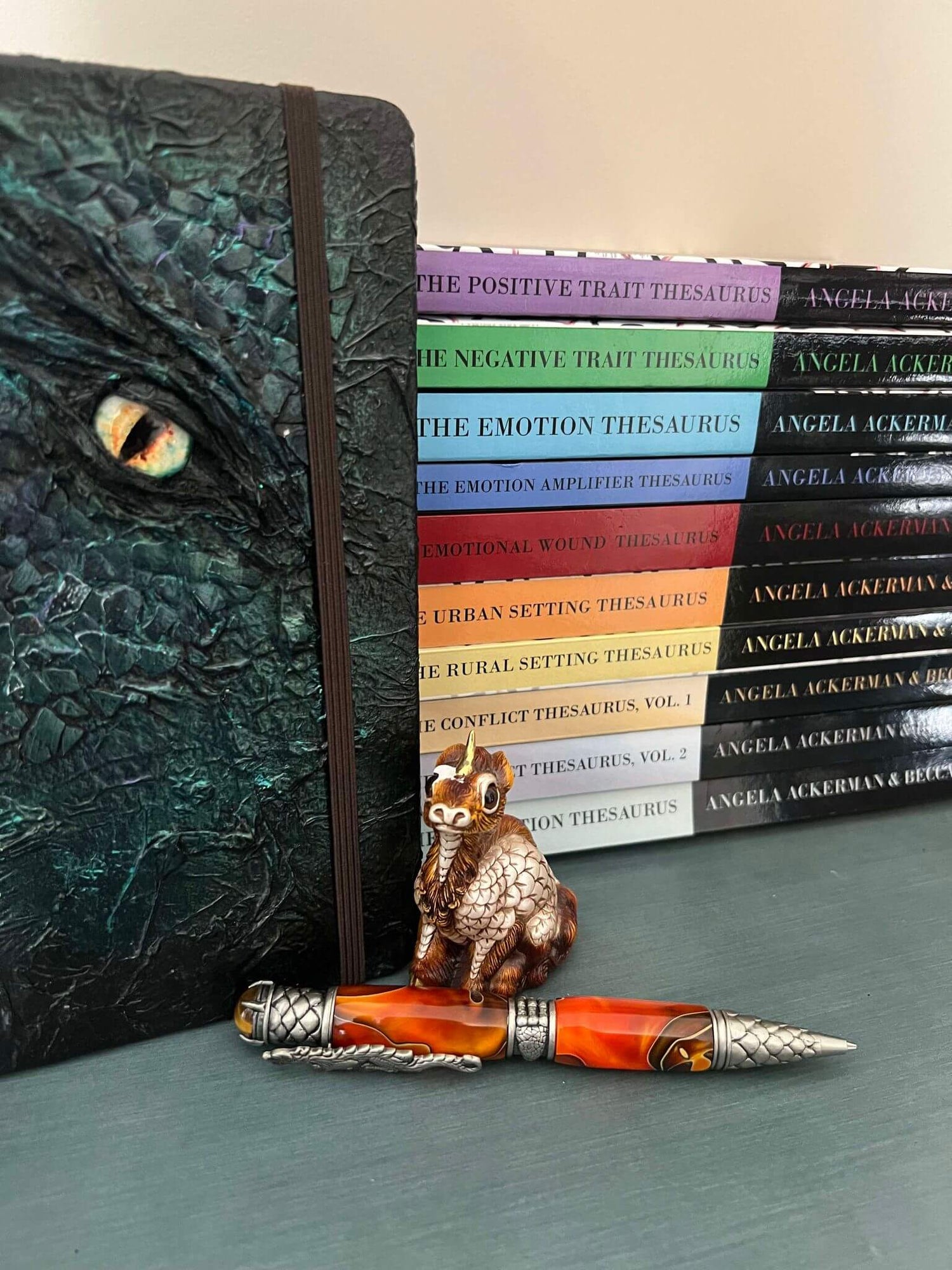
What makes these books different is their deep dive into an area of description—emotions, character personality and backstory, conflict, setting, and more—that will help you activate that element in your story. This knowledge is then paired with idea lists of details that will deepen characters, give your plot layers, and draw readers into the heart of the story.
Master Show-Don't-Tell
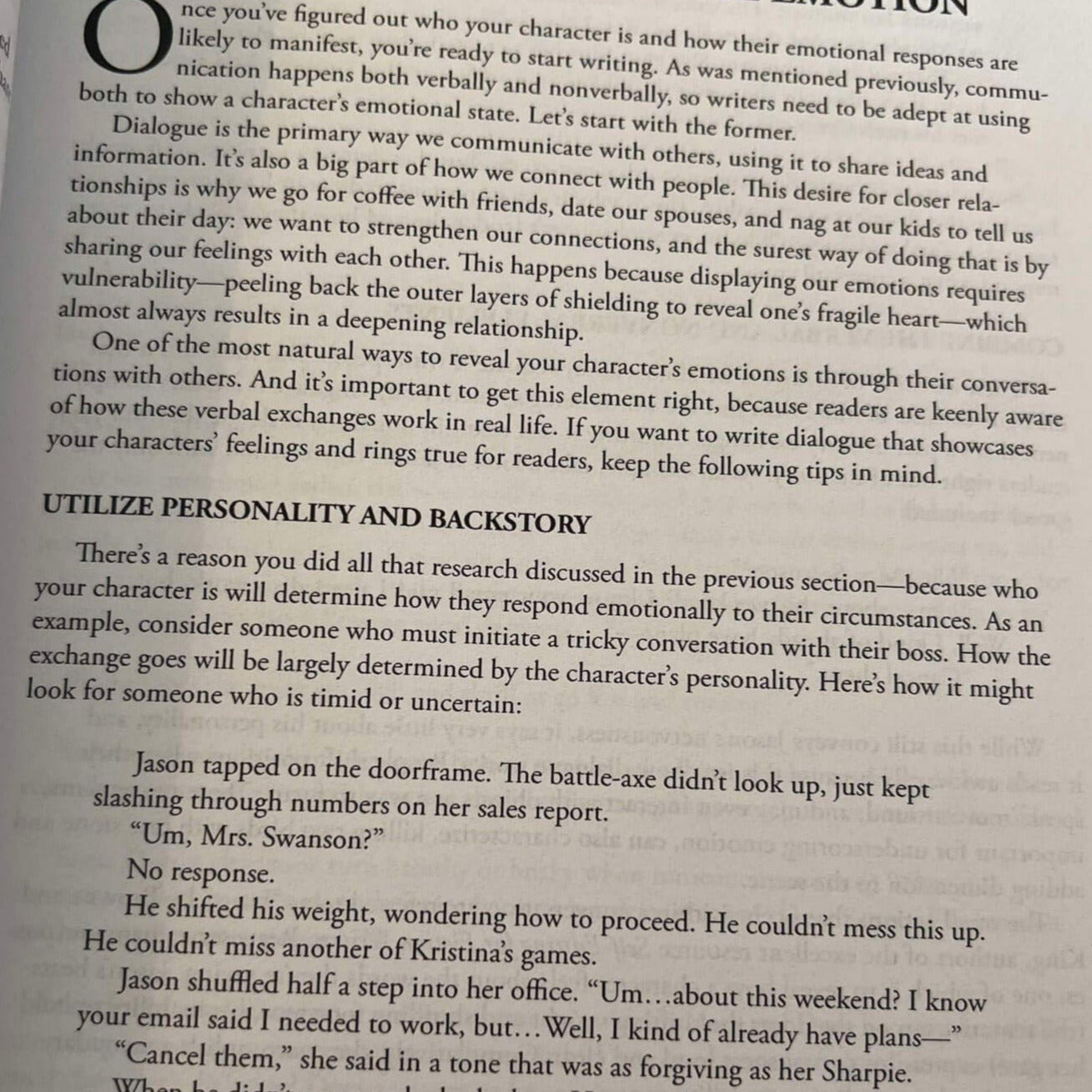
These books don’t just hand you a bunch of words—they teach you how to use description to deepen your story. Whether you're struggling to write an emotional moment, a tense conflict, or a vivid setting, these guides help you nail that "show-don’t-tell" magic.
Structured to Keep You Writing
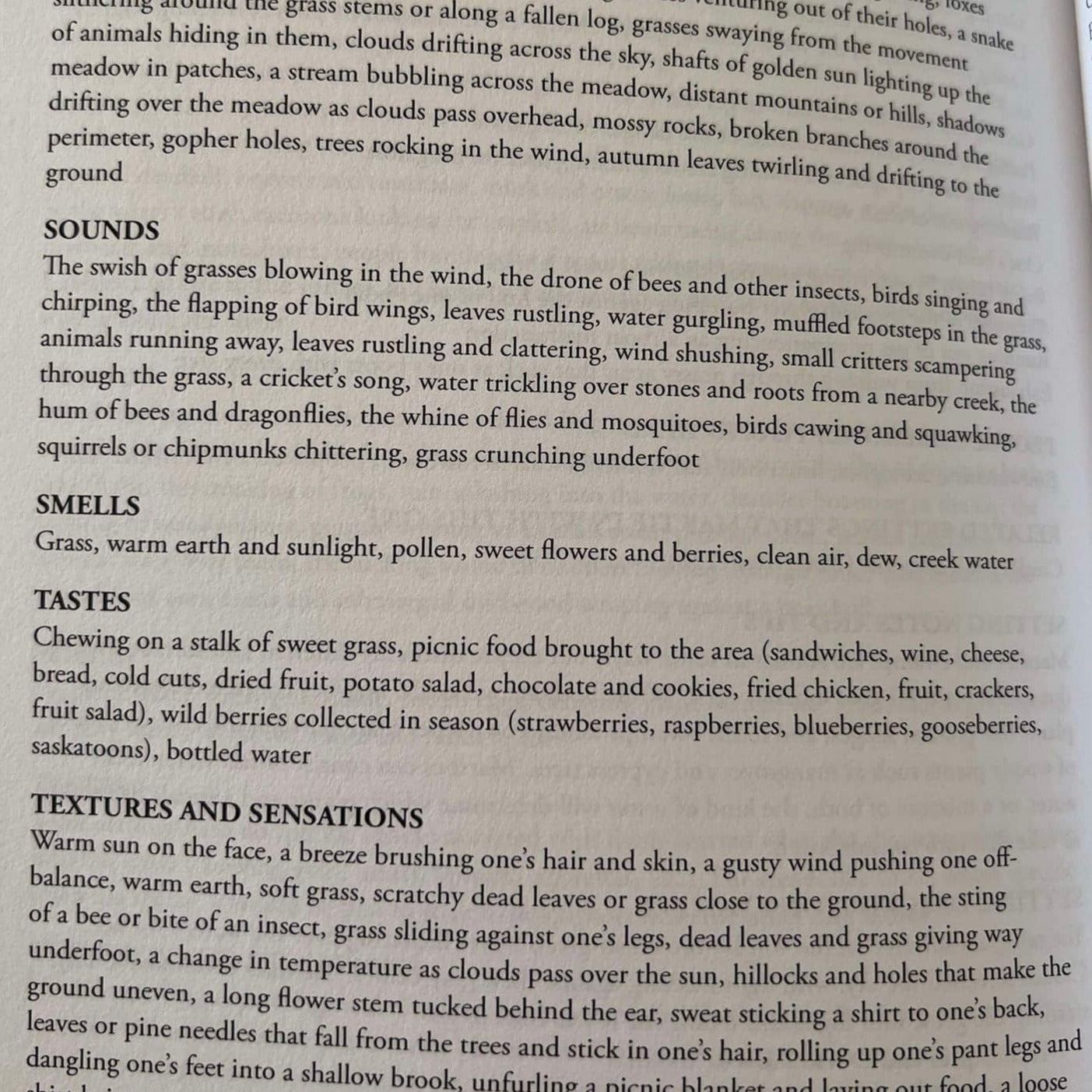
Need to show a character's feelings or the dysfunctional behaviors tied to their emotional wound? Maybe you want to describe a meadow, food court, or haunted house. Flip through these user-friendly thesauruses for inspiration, then get back to writing.
Bring the Real World Into Your Fiction
Learn how to make your character's emotions, experiences, thoughts, and struggles feel relatable so readers can make connections to their own life journey.
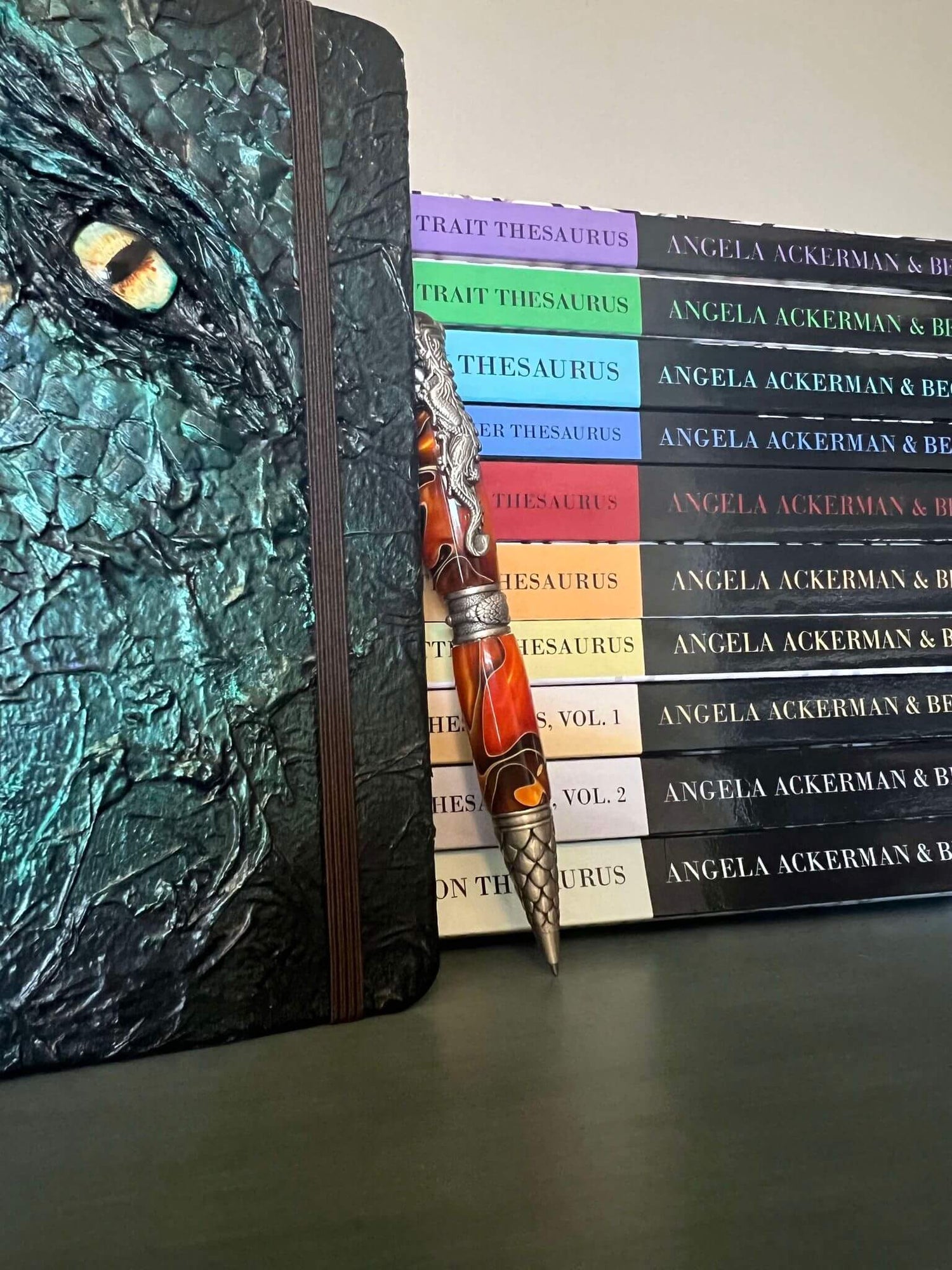
Any Genre, Any Writer
No matter the type of fiction you're writing—fantasy, mystery, romance, or a coming-of-age YA novel—these guides adapt to your story. And whether you’re a newbie or a multi-book bestselling author, you’ll find value in every page.
Let customers speak for us
from 81 reviewsThis is a great book for generating ideas. I especially use it a lot for secondary characters.
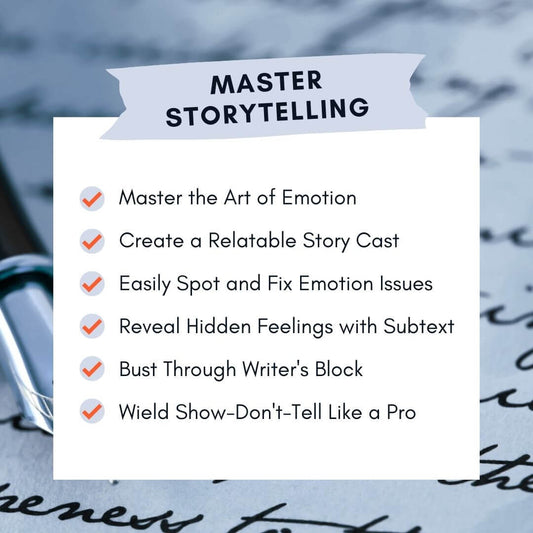
Whether you’re a seasoned storyteller or just starting to explore the writing realm, this guide will amp up your emotional arsenal. Let’s get those characters feeling, reeling, and revealing their inner chaos for all to see.
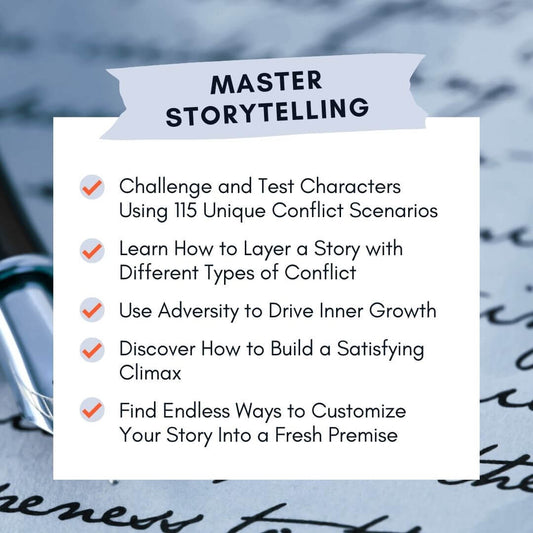
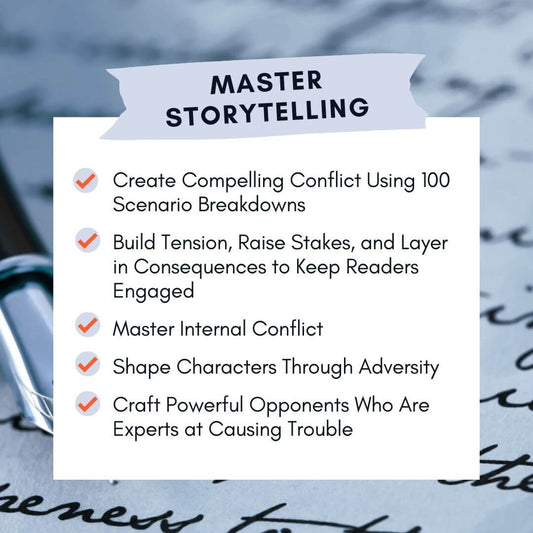
In this thesaurus, a wide variety of conflicts are described. For each, the thesaurus lists examples, minor complications, potentially disastrous results, resulting emotions, possible internal struggles, negative traits that may worsen the situation, impact on basic needs, positive traits to help the character cope, and positive outcomes.
In short, everything a writer might want to know!
Looking to strengthen your writing? You won't go wrong with any of the books in this series, but the Conflict Thesaurus might just be your favourite!
In December 2012 a good friend gave me a copy of The Emotion Thesaurus – A Writer’s Guide to Character Expression, by Angela Ackerman and Becca Puglisi, as a Christmas gift. It was the best gift ever and has been a huge help to my writing over the past twelve years. Since then I have recommended this useful writer’s aid to many other writers. In this second edition, the list of emotions has been expanded giving writers a broader choice to help show instead of tell. A must for every writer to have in their tool box.
I use this book a lot. Helps generate new ideas or dig deeper into description you've already written (first draft stuff) and make it better.
When writing a character study for each of my protagonists, becoming familiar it’s their wounds and the impacts they had on past and present behaviours was incredibly helpful. I reference those entries when I’m questioning whether a character would do or say x or y, or digging deeper into their psyche to explain behaviours.
Emotions are at the heart of my stories and my characters. This is a fabulous resource to help with that!!
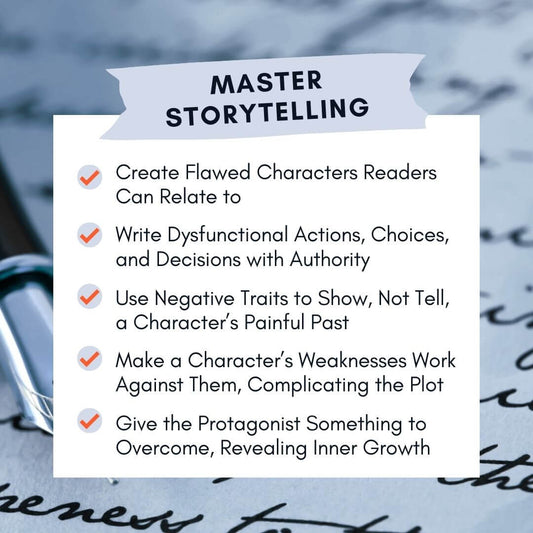
Finding the perfect mix of strengths and weaknesses for our characters can be difficult. We need to choose the right blend of strengths that make them admirable and worth rooting for—without making it too easy for them to succeed—and we need to figure out which flaws best fit our characters.
These books, cousins to the Emotion Thesaurus above, are great tools for creating three-dimensional characters.
Possibly my favorite and most used out of this collection. What better way to flesh out a character than with some emotional wounds.
Considering the way traits are expressed helps my characters grow and multi-dimentional beings.
I was so excited when this came out and rightfully so! It’s genius and just adds so much.
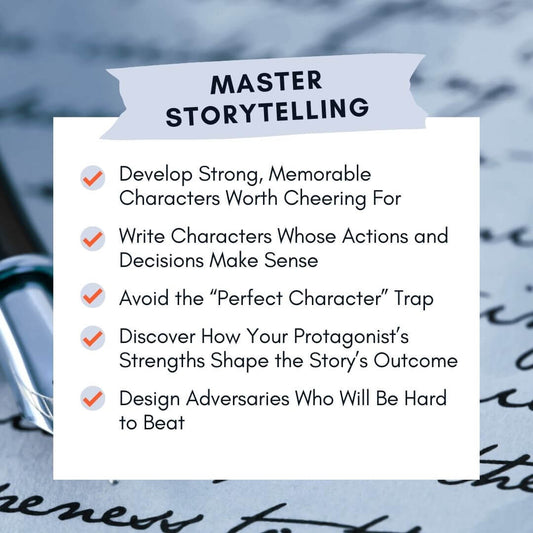
Finding the perfect mix of strengths and weaknesses for our characters can be difficult. We need to choose the right blend of strengths that make them admirable and worth rooting for—without making it too easy for them to succeed—and we need to figure out which flaws best fit our characters.
These books, cousins to the Emotion Thesaurus above, are great tools for creating three-dimensional characters.
So many places I hadn't considered!
Ah, conflicts are the fuel that propels stories. Including realistic conflicts along with emotional responses and physical character reactions helps bring stories to life, because we can all relate!
Writers know that our main character needs a wound. This book is fabulous for helping you determine the wound or dig deeper into the wound. It will make your writing better!
Test-Drive Our Brainstorming Guides
Download a free Show, Don't Tell Pro Pack for a sampling of entries from our thesaurus guides, plus helpful tips and links for writing powerful description.
Level Up Your Fiction
-
The Emotion Thesaurus: A Writer's Guide to Character Expression (Paperback)
Regular price $19.99 USDRegular priceUnit price / per$19.99 USDSale price $19.99 USD -
The Negative Trait Thesaurus: A Writer’s Guide to Character Flaws (Paperback)
Regular price $19.99 USDRegular priceUnit price / per$19.99 USDSale price $19.99 USD -
The Positive Trait Thesaurus: A Writer’s Guide to Character Attributes (Paperback)
Regular price $19.99 USDRegular priceUnit price / per$19.99 USDSale price $19.99 USD -
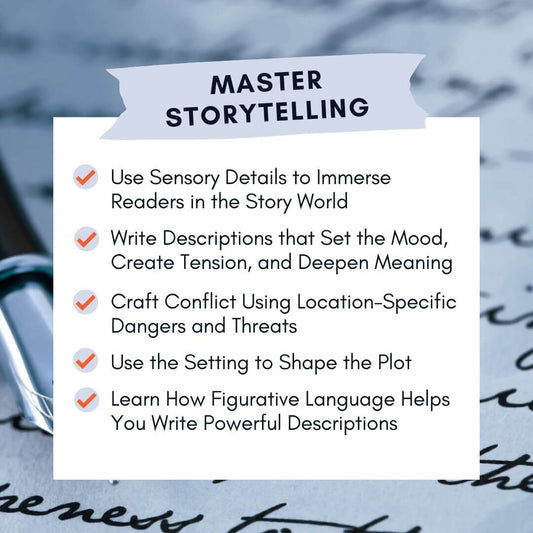
The Rural Setting Thesaurus: A Writer’s Guide to Personal and Natural Places (Paperback)
Regular price $19.99 USDRegular priceUnit price / per$19.99 USDSale price $19.99 USD -
The Urban Setting Thesaurus: A Writer’s Guide to City Spaces (Paperback)
Regular price $19.99 USDRegular priceUnit price / per$19.99 USDSale price $19.99 USD -
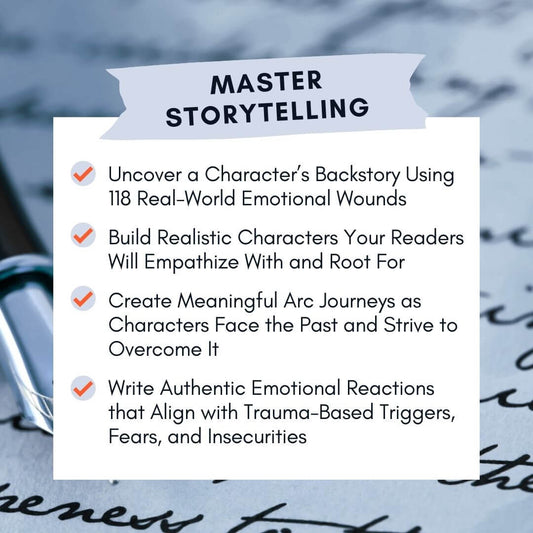
The Emotional Wound Thesaurus: A Writer’s Guide to Psychological Trauma (Paperback)
Regular price $19.99 USDRegular priceUnit price / per$19.99 USDSale price $19.99 USD -
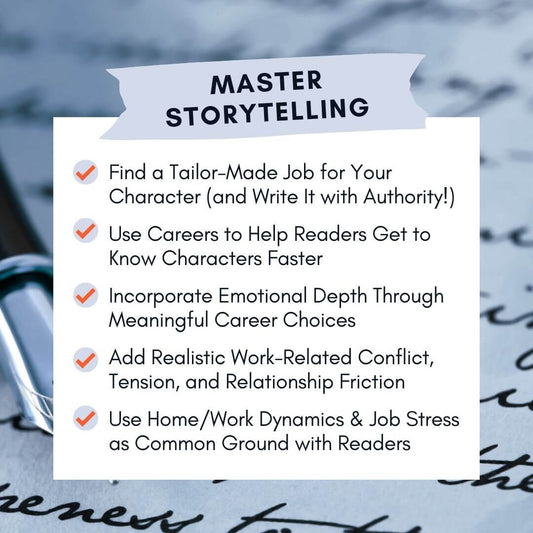
The Occupation Thesaurus: A Writer’s Guide to Jobs, Vocations, and Careers (Paperback)
Regular price $19.99 USDRegular priceUnit price / per$19.99 USDSale price $19.99 USD -
The Conflict Thesaurus, Volume 1: A Writer’s Guide to Obstacles, Adversaries, and Inner Struggles (Paperback)
Regular price $19.99 USDRegular priceUnit price / per$19.99 USDSale price $19.99 USD -
The Conflict Thesaurus, Vol 2: A Writer’s Guide to Obstacles, Adversaries, and Inner Struggles (Paperback)
Regular price $19.99 USDRegular priceUnit price / per$19.99 USDSale price $19.99 USD -
The Emotion Amplifier Thesaurus: A Writer's Guide to Character Stress and Volatility (Paperback)
Regular price $18.99 USDRegular priceUnit price / per$18.99 USDSale price $18.99 USD
Your Questions Answered
Can your books really help with show-don't-tell?
Yes! While telling has its place, showing is what draws your readers in emotionally so they feel connected to your characters and invested in their success. Our whole series is built around this concept.
Each guide provides education and idea lists that help you choose the details that reveal what's important about your characters, plot, and story world.
Is it cheating to use an idea list?
Not at all. A brainstorming nudge can often help you connect dots about your story, encouraging you to go deeper. If you see an idea that could work, just write it your own way to fit your project.
Do I need to read a thesaurus book cover to cover?
No, but we do recommend you read all the how-to content that comes before the entries, since this will deepen your insight into the book's topic and help you understand how to use the information in your story. With the entries, you can flip through them as needed, collecting ideas to help you plan, write, and revise.
What thesaurus format is better for me, digital or print?
We find a majority of our readers often choose both, which is why we keep our digital prices low (unlike other publishers who price their digital and print books nearly the same).
If you like paperbacks and want to be able to see the full two-page spread for each entry, a print book is best (find those here). If you want portable resource materials that are easy to take with you, we recommend the eBook (ePub) or PDF format so you can access it from your laptop, phone, tablet or other reading device.
I write memoir. Can I use your books?
Absolutely. Whether your story is about a fictional character or yourself, the key to compelling storytelling is being able to describe the people, places, and events in a way that anchors readers in the moment, awakens their emotions, and conveys meaning.
What's your best piece of advice for using your thesaurus?
Writers often get excited about the entry part of the book (the lists) and may skip over the how-to section that precedes it. However, the true story gold is in all the knowledge and advice shared at the start of each book.
Writers who want to grow their skills and take their fiction from good to great should read this section. It's filled with clear advice on how to apply that aspect of storytelling and shows you how to get more out of the thesaurus entries.
Are your books available in other languages?
Yes! Our books have been translated into Chinese (simplified and traditional), Japanese, Korean, Romanian, Turkish, Russian, Arabic, and French. You can find all our foreign editions here.
Do you offer gift cards or certificates?
We sure do! You can purchase a digital gift card and have it delivered by email to yourself, or the recipient of your choice.